Every mission organization has a default setting: stay in your lane, write the report, run it all from headquarters. Savannah Riverkeeper asked: Says who?
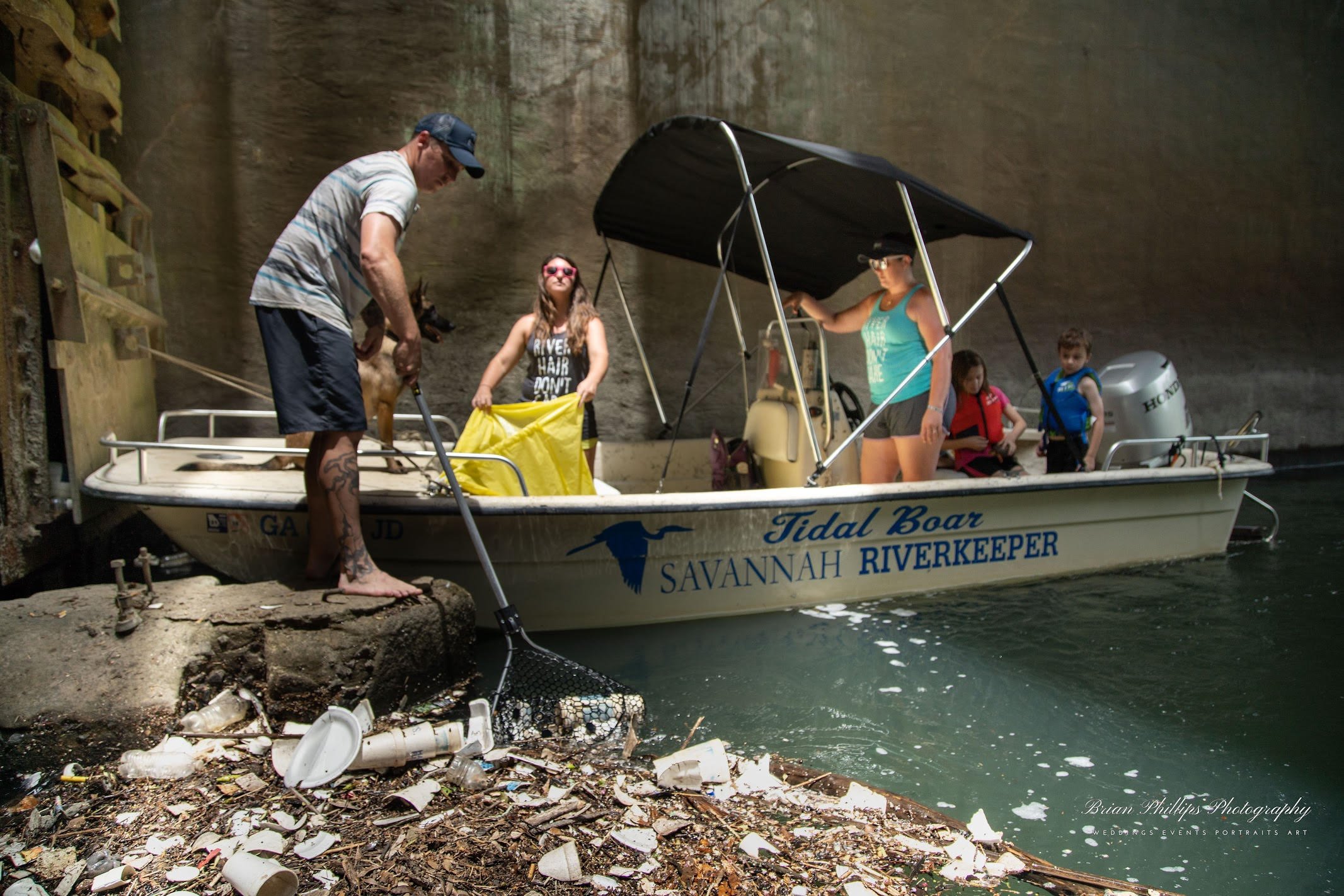
Savannah Riverkeeper on the water. Photo credit: Brian Phillips Photography
Last December, two Savannah Riverkeeper staff members put on red suits. Kids lined up in the organization’s Augusta warehouse to sit on Santa’s lap. In the next room, their parents picked out gifts and signed up for services. A Black women’s motorcycle club pitched in. So did a hospital, a library, a foundation and a couple of sororities.
Tonya Bonitatibus, the Savannah Riverkeeper and executive director, says her organization would never have thought of doing it before. “It makes no sense, right? Our mission is water quality, what are we doing?”
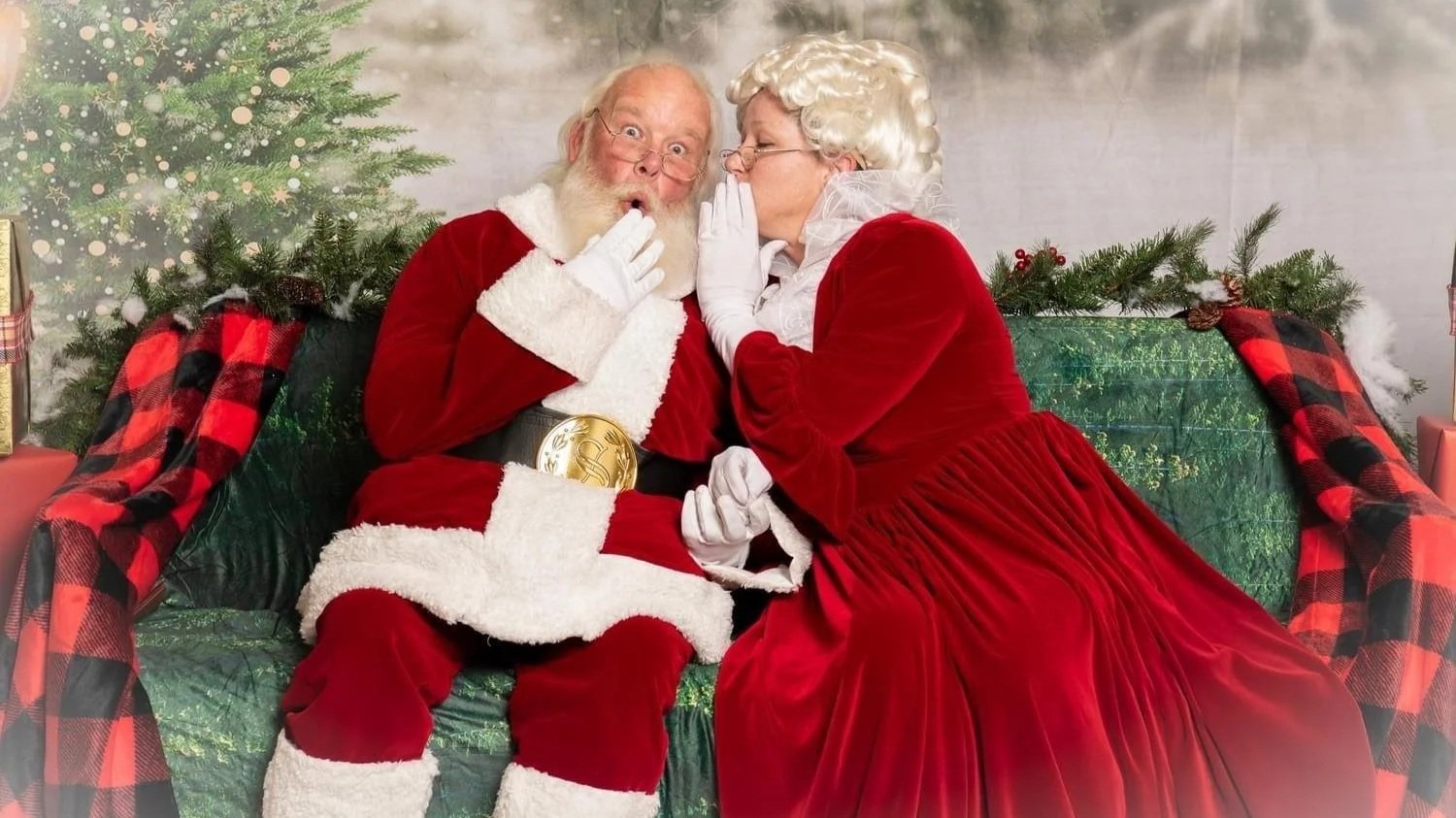
Santa and Mrs. Claus, also known as Savannah Riverkeeper staff.
Photo credit: Savannah Riverkeeper
It made sense to the people who pitched in. Every volunteer who worked that day, she says, now asks what Savannah Riverkeeper thinks about the issues. “Just that one little act shifts the way that everybody views us.”
Santa wasn’t in the strategic plan. Building real relationships was. You can’t ask people to care about the river if you don’t care about the rest of their lives.
The Santa suits are the most visible of several moves Savannah Riverkeeper has made since 2022 that most organizations’ playbooks would rule out. The thinking behind them traces back to that plan.
Pick a job
In 2022, Savannah Riverkeeper hired Due East Partners to build a strategic plan, the biggest contract it had ever signed. The plan took on the hardest question: What is Savannah Riverkeeper for?
“We shifted from trying to be everything for everybody to understanding that our biggest value is in standing next to and teaching,” Bonitatibus says. “Bringing people together … that’s the thing we do really, really well.”
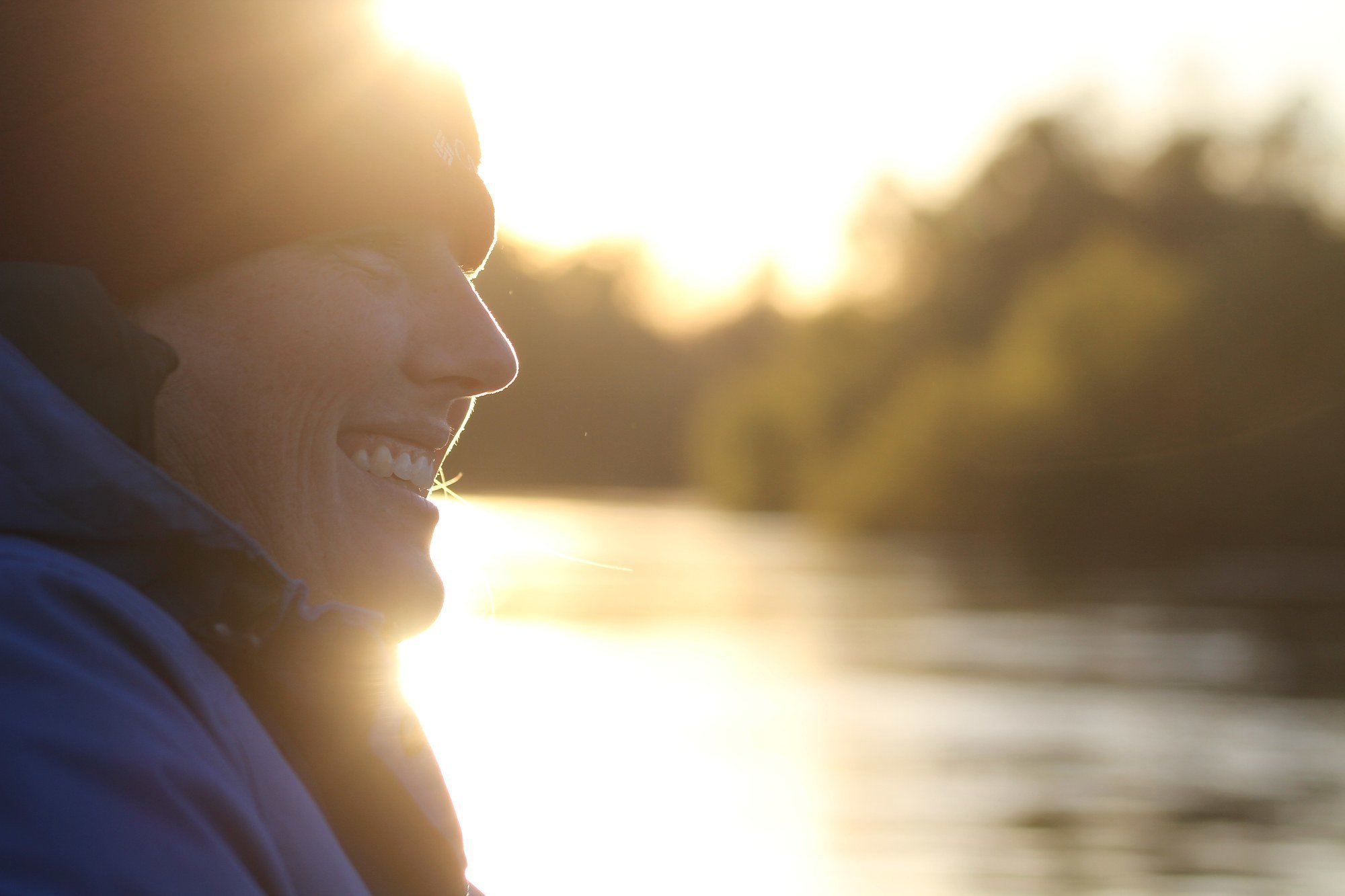
“We shifted from trying to be everything for everybody to understanding that our biggest value is in standing next to and teaching,” Bonitatibus says. “Bringing people together … that’s the thing we do really, really well.”
- Tonya Bonitatibus, Savannah Riverkeeper and Executive Director
Photo credit: Waterkeeper Alliance
Spread out
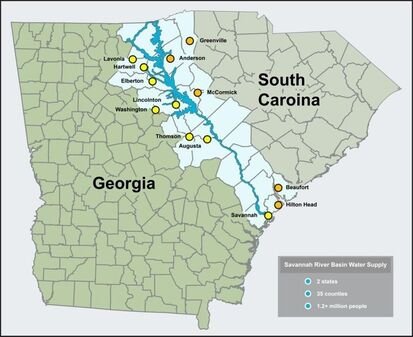
Savannah Riverkeeper watches over a 10,000-square-mile basin across Georgia and South Carolina, and it had worked from a single home base in Augusta. A local partner, the Lake Burton Civic Association, helped pay for the plan because it wanted more coverage in the upper basin. The plan spread the team across three hubs: the upper basin, Augusta and Savannah.
In the upper basin, Savannah Riverkeeper helped bring 11 counties together in a partnership that’s figuring out how to share water fairly and keep it in the basin. The group meets regularly, has landed a state seed grant and is building a map of water resources across all 11 counties. From North Georgia, a planner with 35 years of experience now works on ordinances across the whole basin. The planner has drafted a stormwater ordinance for the entire basin, and Savannah Riverkeeper has helped write and pass RV, tree and wetlands ordinances.
Give the data away
The usual way to prove expertise is a polished report. Riverkeeper has put its effort into free GIS data that any town or resident can use.
“We shouldn’t have to be coming in making a fancy report,” Bonitatibus says. “You should be able to just use this stuff so you can fight for yourself.”
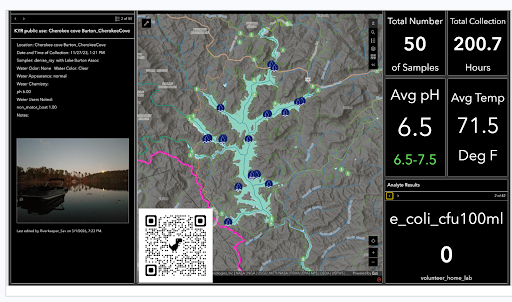
Image courtesy of Savannah Riverkeeper
Call the churches
One line in the plan called for geographically based advisory teams. Riverkeeper tried a few versions. The one that stuck became Healthy Communities Augusta.
It started when a wave of new industrial plants headed to Augusta: a copper smelter, a sulfuric acid plant and a pyrolysis facility that uses PFAS. They were slated for the same neighborhoods that already lived with the most pollution. Bonitatibus called a few churches and other partners, and they put eight issues on the table, from food and transportation to water and health.
The people most affected, she says, “are not thinking about the environment in a tree-hugging way.” They already know what’s at stake. “I can sit down and get an oral history from anybody who’s been here, and they can tell me their granddaddy got cancer from here.”
Lead exposure kept coming up at those early meetings. When the coalition went looking, it found lead nearly everywhere it checked. In January, it led a pediatric grand rounds discussion with a full team from the local children’s hospital. An oral history project is tracking down old contamination sites that have dropped out of the records. Today more than 50 groups belong to Healthy Communities, and about 15 come to every monthly meeting. They include the health department, board of education, private medical practices, state groups and Black churches, one of them among the oldest in the nation. A full-time Savannah Riverkeeper staff member now runs the coalition.
In early 2025, the Syensqo plant in Augusta asked to expand its air permit. Normally, Riverkeeper and its environmental partners would submit formal public comments and urge their members to do the same. This time, local medical facilities weighed in. An industrial hygienist with the local union wrote technical comments. Black churches near the plant said nobody had told them. Working with the Southern Environmental Law Center, the groups pushed for a public hearing, and about 80 people joined, according to The Augusta Press.
“It wasn’t just us,” Bonitatibus says.
Photo courtesy of Savannah Riverkeeper
Use the plan. Routinely.
Savannah Riverkeeper’s budget was about $185,000 the year of the plan. By 2025 it had grown to roughly $850,000, with 12 staff. Every planning cycle, staff start from the plan: what got done, what needs to shift, who owns what. In Savannah, a reusable food-container program with the local company Perpetual is in its third year, and eight NOAA-funded trash traps now feed a public dashboard.
“It really is because of the process that helped us shift the way that we thought about who we were and who we needed to be,” Bonitatibus says. “You have to provide a space where people can be heard and see themselves reflected in a plan. Or you don’t have a real plan.”
Four years in, Savannah Riverkeeper is updating the plan, starting with a listening tour across the basin ahead of its 25th anniversary.
“At Riverkeeper,” Bonitatibus says, “we can do cool things.”
Learn more about Savannah Riverkeeper.
Explore the ways Due East drives organizational impact.