A Plan Built to Weather the Storm
A Conversation with Kate Fritz, CEO of Alliance for the Chesapeake Bay
When Kate Fritz took the helm at the Alliance for the Chesapeake Bay in 2017, she inherited a nearly 50-year-old organization pointed in the right direction but in search of clearer footing. She arrived with three goals and got to work. A few years later, all of it was tested by the biggest financial shock in the organization's recent history: a $5 million cut in federal grant funding, for an organization that is 97% grant funded.
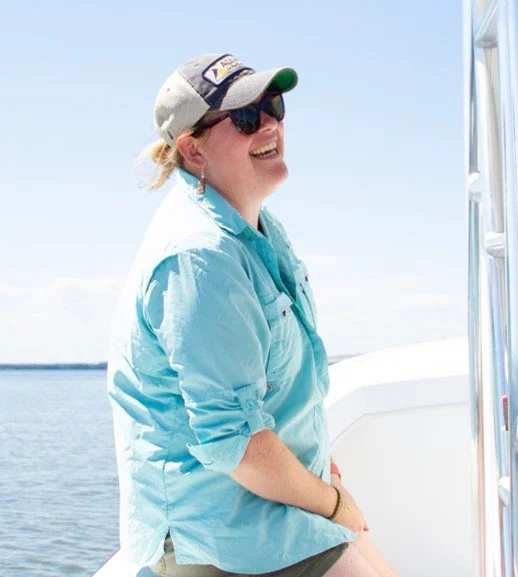
Kate Fritz, CEO of the Alliance for the Chesapeake Bay. (Photo: Alliance for the Chesapeake Bay)
We sat down with Kate to talk about how her team held together through the storm, what she leaned on to navigate it, and why knowing exactly who you are turns out to matter most when the weather turns.
Lauren: You came to the Alliance with three goals. What were they?
Kate: I had three major goals when I first arrived — attract and retain great staff, tell our story, and build financial sustainability for the future. Simple to say, harder to do — especially the last one, given we are currently 97% grant funded.
Lauren: All of those got tested when federal funding cuts hit in early 2025. What happened?
Kate: We lost over $5 million in grant funding. At one point it was north of $8 million before some came back. For an organization like ours, that's a massive hit. Our agriculture and green infrastructure work took the biggest blow — we'd been building conservation-related partnerships with farmers and private landowners, and the cutbacks have significantly slowed that work down. The loss was especially significant because we'd spent years growing our capacity and expanding our impact across the watershed.
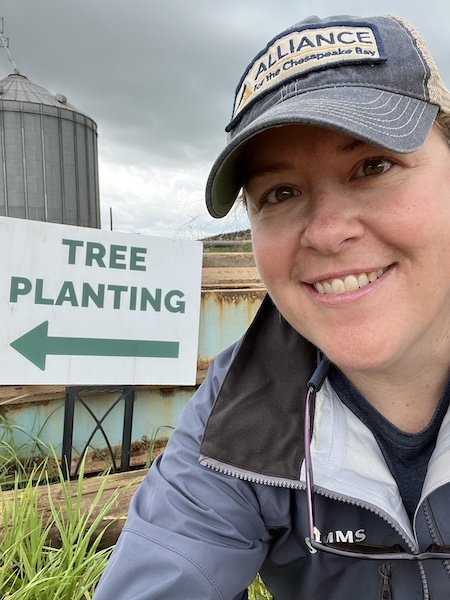
On-site at a tree planting. The Alliance's agriculture and green infrastructure work spans the watershed. (Photo: Alliance for the Chesapeake Bay)
Lauren: How did you navigate it without losing your team?
Kate: We focused on what we could control. We strategically re-examined our programs, moved people around, and retooled skill sets so folks could adapt to new roles instead of losing them. Our COO and I held an all-staff call every Wednesday without fail to share what we knew was happening, and to remind staff that they were our top priority. It took creativity and flexibility from everyone, but we've held 90%+ staff retention for four or five years now. Today, our staff retention rate is more than 92%, something we're incredibly proud of given everything our team has navigated.
Lauren: Let's talk about your strategic plan. How did that help?
Kate: The 2019 plan was transformational for establishing organizational clarity on our mission and focus. Due East was excellent at engaging our board and staff and building the trust that enabled us to make tough decisions together. That plan helped us identify our strategic niche and focus, which have held steady even as we've updated our strategies. You can see the breakout growth starting in 2022 as a direct result of that plan — we added more than 40 people with expertise in forestry, agricultural science, and green infrastructure. In 2023, we approved a new plan which built on that transformational plan a few years earlier. By 2025, we'd increased our total staff by 44%, far exceeding the growth we had envisioned when we created the plan, while maintaining more than 92% staff retention. When the funding cuts hit, we weren't scrambling to figure out who we were. We already knew, and that clarity is what keeps us moving forward together.
“Our 2019 strategic plan gave us clarity on our mission and how we intended to grow. It has been transformational because it sets a clear direction and has helped us navigate the unexpected. This plan truly served as our north star through rough seas.
”
Lauren: What's next?
Kate: This year, it's about finding some calm and peace amid the noise and chaos. After a year like 2025, that might be the most strategic goal of all.
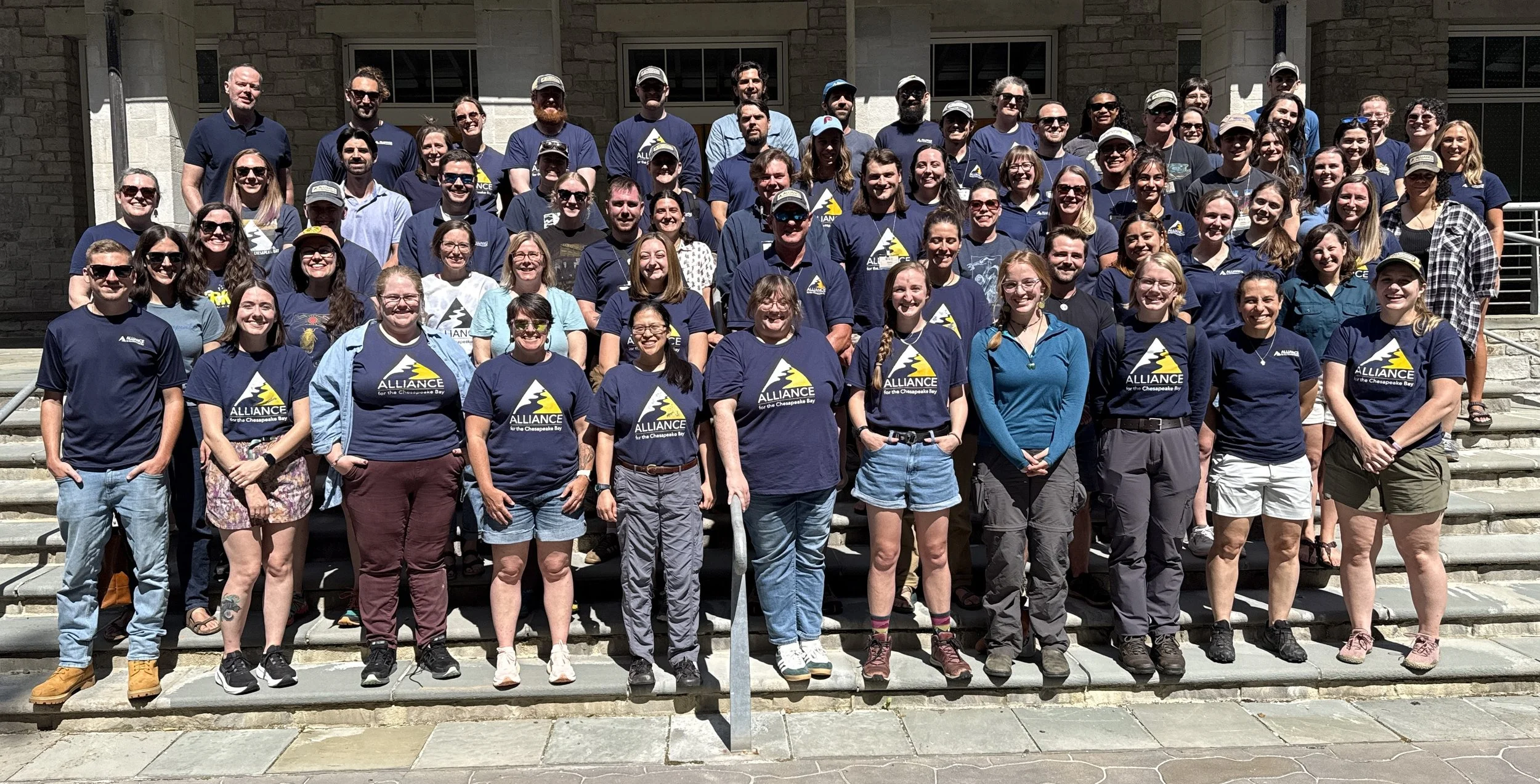
The Alliance for the Chesapeake Bay team, June 2026. Staff retention has held above 92% through years of upheaval. (Photo: Alliance for the Chesapeake Bay)
Facing your own rough seas?
Due East helps mission-driven organizations build strategy that holds — clarity that becomes a north star when the unexpected hits.