The answers were already in the room.
On a Tuesday evening in April, a teenager named Jamari stood up in a room full of agency directors, nonprofit leaders, and community partners and said what a lot of adults in that room already knew but hadn't said out loud: teens in Lexington Park need more places to go. More mentors. More chances to lead — not just be led.
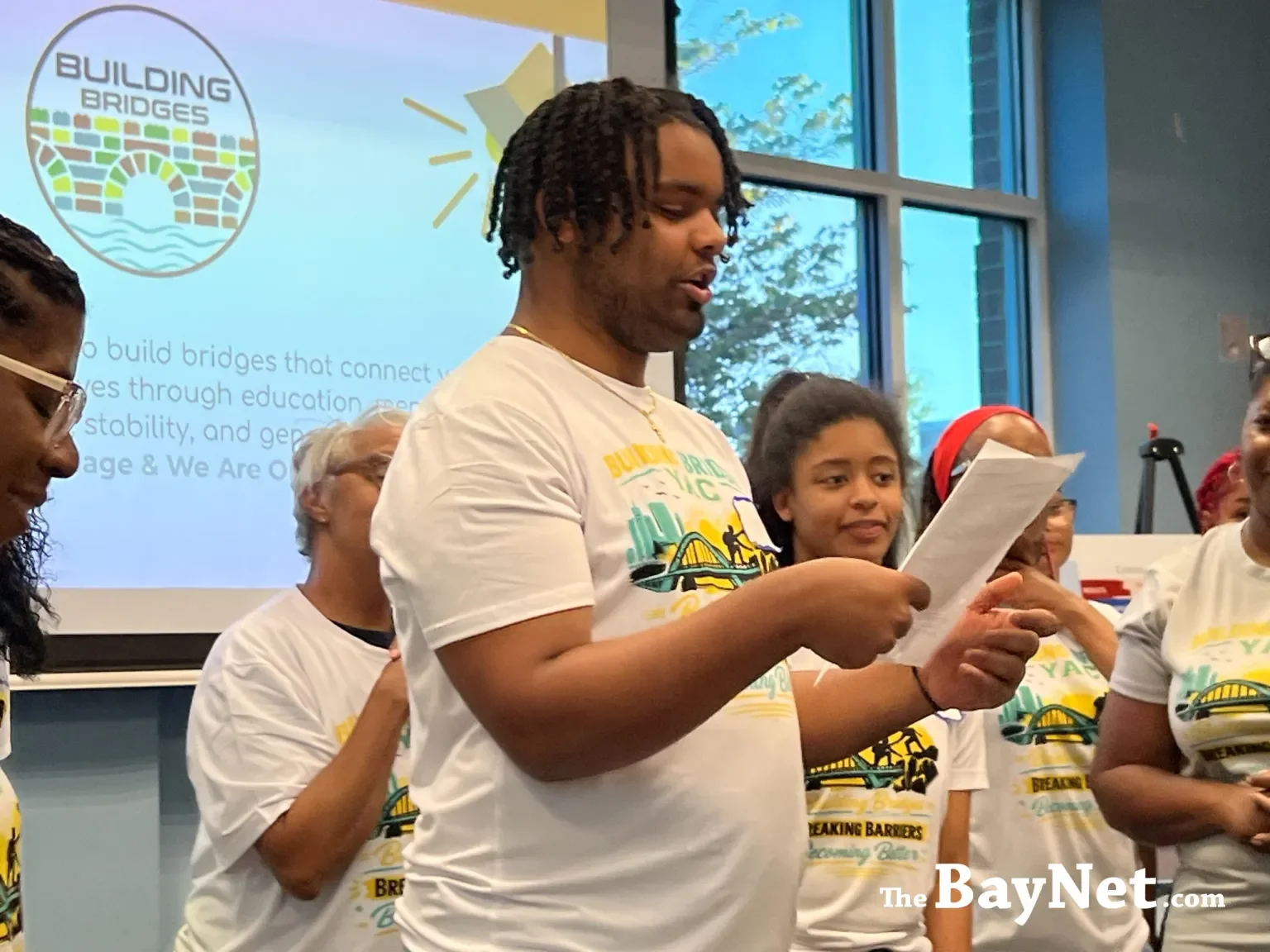
Lexington Park, April 2026. Community voice at the table — where it belongs. (Photo: The BayNet)
That moment — not a presentation slide, not a structured agenda item — was the most clarifying thing that happened at the Lexington Park Neighborhood Strategy Meeting.
We were there alongside the St. Mary's County Local Management Board, Building Bridges, and a room full of people genuinely committed to making things better for families in their community. Our role was to facilitate — to help map resources, identify gaps, and move toward a strategy. But the work reminded us, as it often does, that the real job isn't bringing answers. It's building conditions where the right people can surface them.
Building Bridges is a good example of what that looks like in practice. Patrice Campbell founded the organization in 2020, at the height of COVID, with almost nothing but a mission and a core team willing to pick up the phone until 1am to find resources for families in crisis.
"The communities making the most progress right now aren't the ones with the best plans. They're the ones that figured out how to build with people instead of for them."
— Bess Langbein, Partner, Due East Partners
The meeting was part of a broader community asset mapping and planning process Due East Partners is leading in partnership with the St. Mary’s County LMB, supported by Maryland's ENOUGH Initiative. The goal is to move from data and conversation toward a strategy that actually reflects how families experience community life — not how systems are organized to deliver it.
That distinction matters. Too much community planning still happens around residents instead of with them. The strongest version of this work — the version that produces real change — puts the people closest to the problem in the room where decisions get made. With resources, not just a microphone.
Jamari's message was direct: young people don't want programs designed for them. They want a seat at the table. That's not a new idea. But it's still not the default. And until it is, the answers will keep showing up in the room — and leaving without being heard.
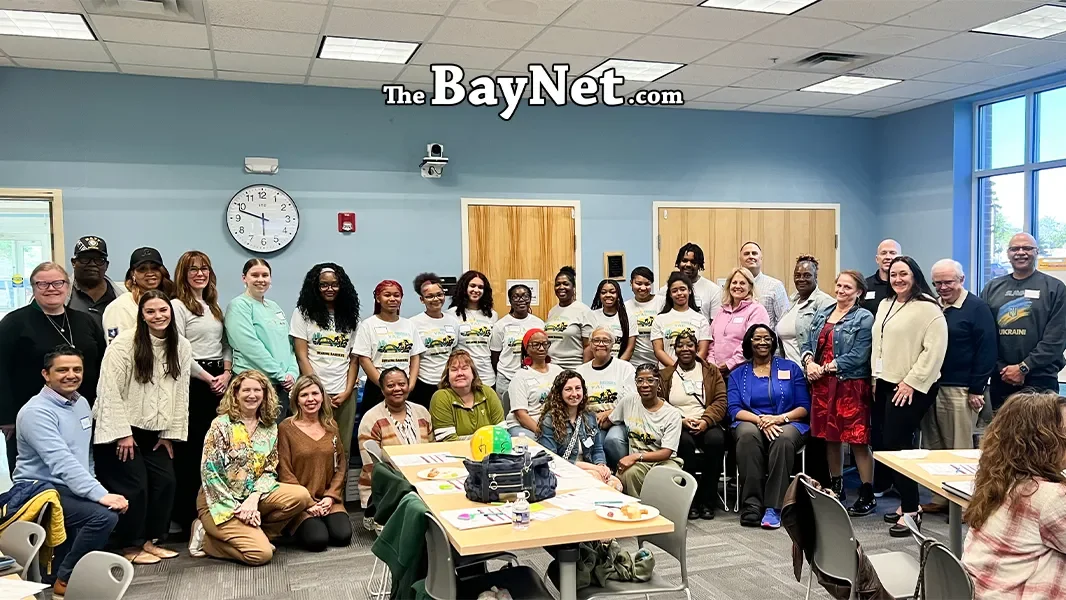
A diverse group of approximately 30 community members and partners pose together at the Lexington Park Neighborhood Strategy Meeting, April 2026. (Photo: The BayNet)
Where does your community sit in this work? The DEP Community Readiness Self-Assessment takes about five minutes. Answer honestly, and you'll get a quick read on where your community's collaboration capacity is strong — and where the gaps might be slowing you down before you even start.
Full coverage of the Lexington Park Neighborhood Strategy Meeting is available via The BayNet.